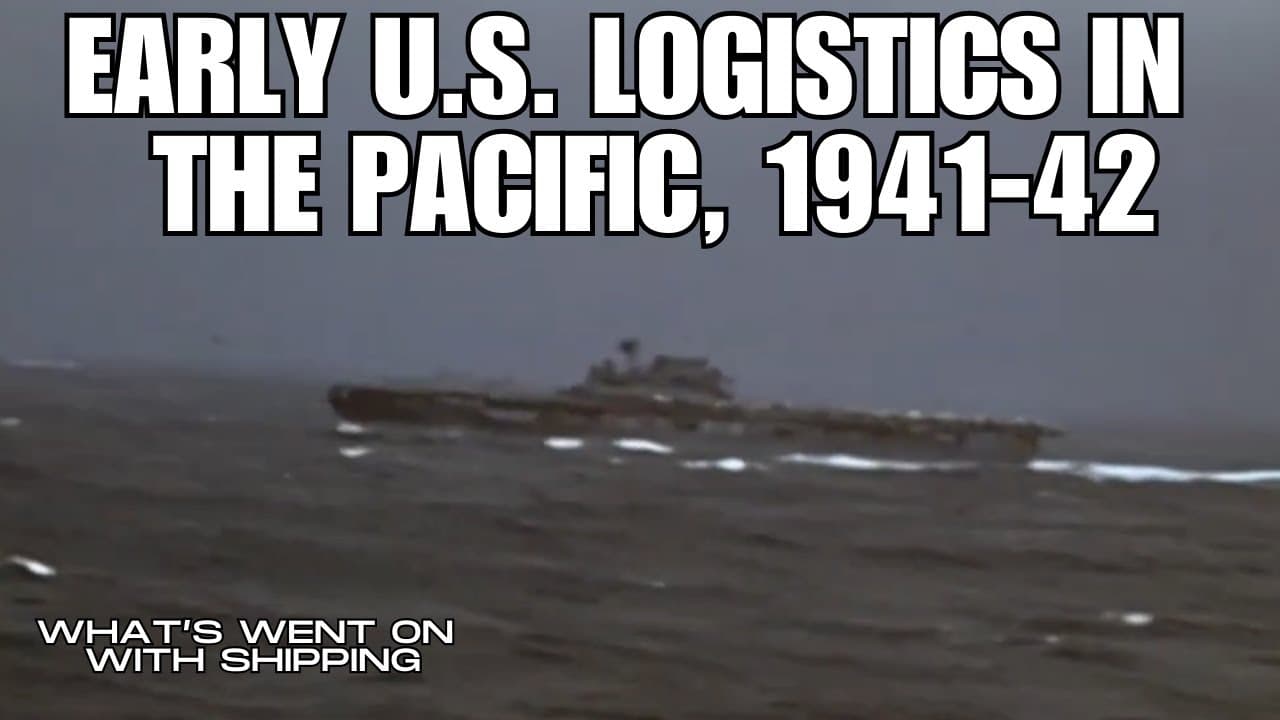
Sal Mercogliano Discusses Early U.S. Logistics in the Pacific, 1941-42
On December 27, 2025, maritime historian Sal Mercogliano, who is affiliated with Campbell University and has a background as a former merchant mariner, presented a detailed analysis of early American logistics in the Pacific during World War II. This discussion, available for viewing on YouTube, focuses on critical aspects of military logistics including replenishment, repair, reinforcements, and replacements, which were vital for sustaining U.S. naval operations during the conflict.
Key Details
The presentation begins with an introduction at 00:00, setting the stage for the discussion on logistics. At 03:25, Mercogliano delves into the aftermath of the infamous attack on Pearl Harbor, which occurred on December 7, 1941. He highlights the significance of fuel supplies, repair capabilities, and the role of shipyards in the immediate response to the attack. This period marked a pivotal moment for the U.S. Navy as it sought to recover and regroup.
At 05:06, the focus shifts to the Pacific and Asiatic Fleet oilers, which were crucial for providing fuel to naval vessels operating in the vast Pacific theater. The logistical challenges faced by these fleets during the early years of the war are examined, illustrating the complexities of maintaining operational readiness over great distances.
Mercogliano continues his analysis at 09:06 by discussing the broader context of the Pacific War from 1941 to 1942. This timeframe was characterized by significant naval engagements and strategic maneuvers as the U.S. sought to counter Japanese advances across the Pacific.
At 17:05, the discussion transitions to early U.S. Navy carrier raids, which were instrumental in projecting American naval power and disrupting Japanese operations. These raids were part of a broader strategy to regain control of the Pacific and demonstrate U.S. resolve in the face of adversity.
One of the most critical battles discussed is the Battle of Midway, which took place in June 1942. At 23:36, Mercogliano outlines the strategic importance of this battle, which marked a turning point in the Pacific War, as U.S. forces successfully repelled a Japanese offensive, inflicting significant losses on the enemy.
At 37:15, the conversation shifts to the reinforcement of U.S. forces in the Pacific, detailing how logistics played a crucial role in deploying troops and equipment to various theaters of operation. This aspect of military logistics was essential for sustaining the U.S. war effort and ensuring that forces were adequately supplied.
Mercogliano also discusses the Guadalcanal Campaign at 49:05, a significant military operation that began in August 1942. This campaign was marked by fierce fighting and was pivotal in halting Japanese expansion in the Pacific. The logistical challenges faced during this campaign, including supply lines and troop reinforcements, are highlighted as critical factors in the campaign"s outcome.
The presentation concludes at 1:17:39 with an analysis of the overall impact of U.S. logistics in the Pacific theater during the early years of World War II. Mercogliano emphasizes the lessons learned from these logistical operations, which would inform future military strategies.
Background
Understanding the logistics of early U.S. operations in the Pacific is essential for grasping the broader narrative of World War II. The attack on Pearl Harbor not only galvanized American public opinion but also underscored the urgent need for effective supply chains and repair capabilities to support naval operations. The U.S. Navy"s ability to adapt and respond to logistical challenges was a key factor in its eventual success in the Pacific theater.

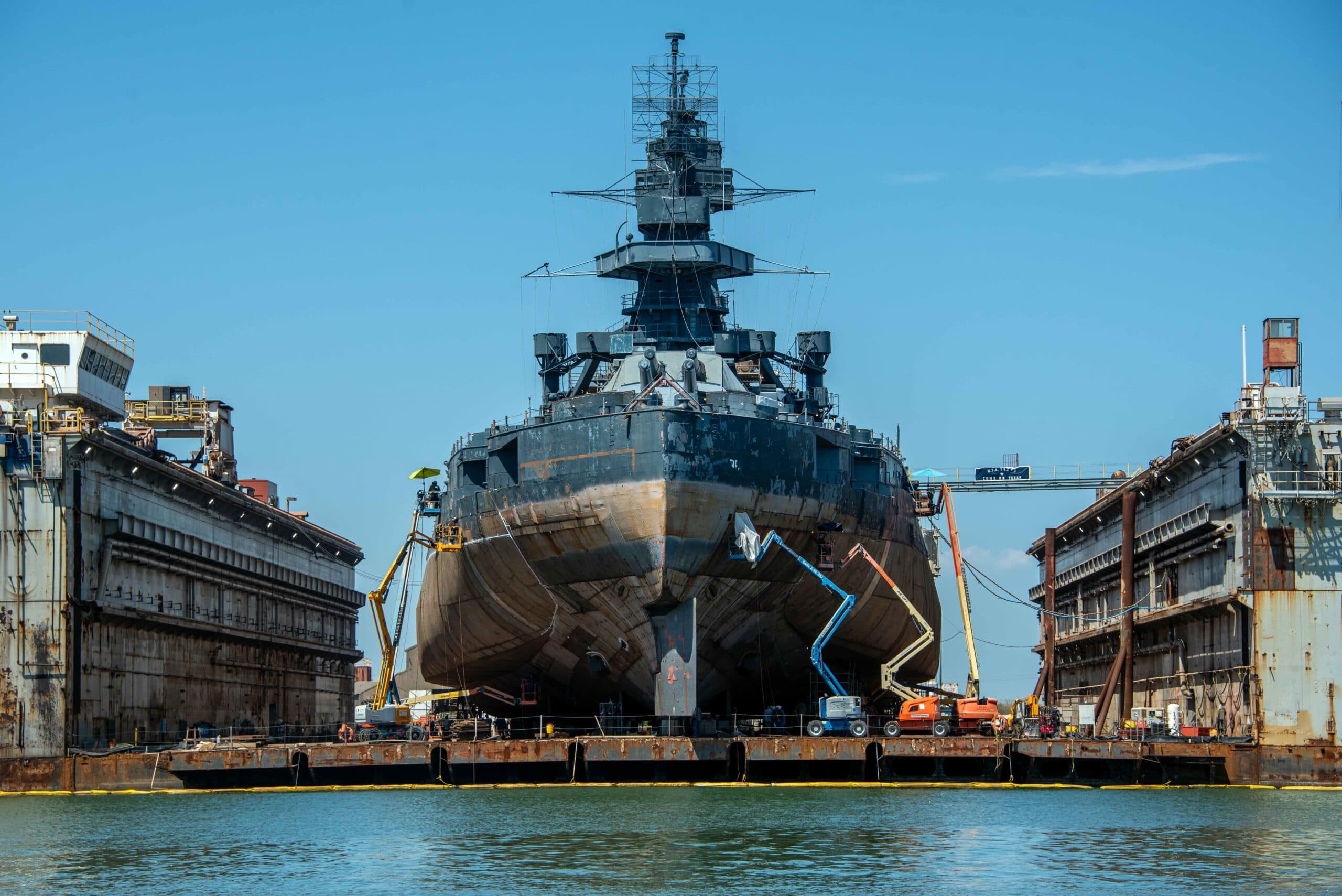
Image for Sal Mercogliano discusses early U.S. logistics in the Pacific, 1941-42
What"s Next
As the discussion by Sal Mercogliano illustrates, the logistics of war are often overlooked yet are fundamental to military success. The lessons learned from the early U.S. logistics efforts in the Pacific continue to resonate in modern military strategy and operations. For those interested in further developments related to military logistics and historical analysis, recent coverage on various political and military topics can be found, including recent developments in international military engagements.