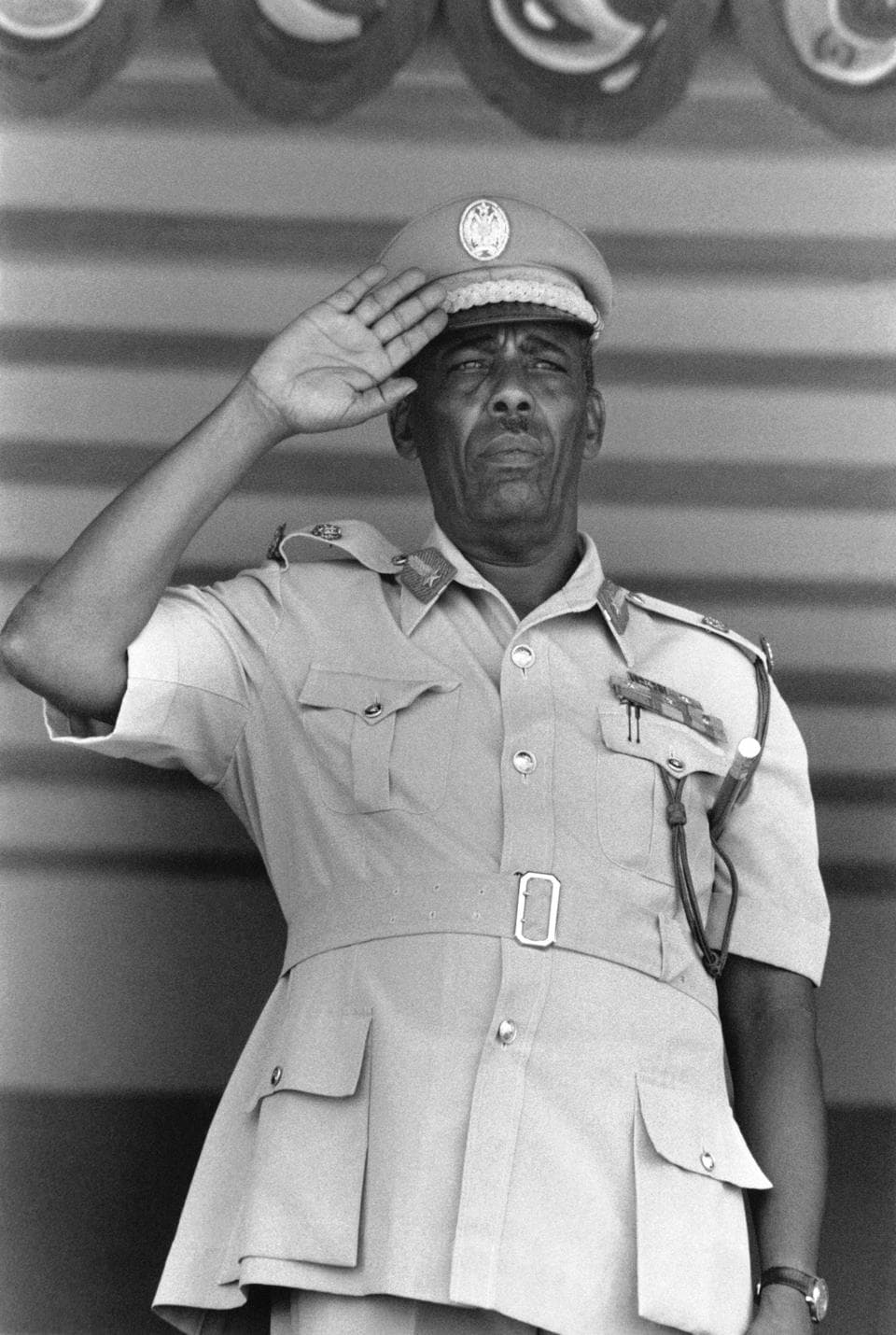
Somalia Under Siad Barre: An Exception to Military Corruption in Africa
Scholars critical of military rule across Africa have often pointed out that military governments frequently exhibit corruption levels comparable to those of their civilian predecessors. However, Somalia, under the leadership of General Mohamed Siad Barre, is frequently cited as a notable exception to this trend. Siad Barre"s regime, which began with a coup in 1969, is recognized for its relatively low levels of corruption compared to other African nations during the same period.
Key Details
The military coup that brought Siad Barre to power occurred on October 21, 1969. This coup was characterized by the ascension of what has been described as "almost puritanical officers" who took a firm stance against corruption. Their governance approach sharply reduced corrupt practices that had plagued previous administrations.
A 1975 investigative report by the United States government on the Somali Democratic Republic highlighted Somalia as one of the least corrupt nations in Africa at that time. The report stated, “The socialistic regime of General Siad has survived five years, and imposes a stable and effective government on the Horn of Africa today. It is almost certainly one of the least corrupt governments in Africa.” This assertion underscores the significant political stability and governance effectiveness attributed to Barre"s leadership.
During his tenure, Siad Barre was recognized as a prominent leader on the African continent. He served as the Chairman of the Organization of African Unity (OAU) and was set to begin his term as Chairman of the League of Arab States in July 1975. His leadership was marked by efforts to promote socialism and national unity, which were seen as contributing factors to the perceived integrity of his administration.
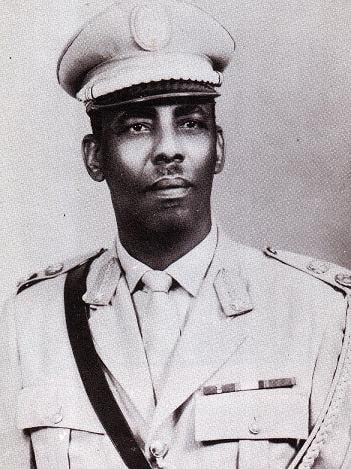
Image for Somalia under Siad Barre noted as exception for low corruption in Africa
Background
General Mohamed Siad Barre"s rise to power marked a significant shift in Somali politics. Prior to his regime, Somalia faced considerable political instability and corruption under civilian rule. The military"s intervention was initially welcomed by many who hoped for a more effective governance structure. Barre"s government implemented various reforms aimed at modernizing the country, including land redistribution and educational initiatives, which were part of his broader socialist agenda.
Despite the initial success in curbing corruption, Barre"s regime would later face criticism for human rights abuses and authoritarian practices. Nevertheless, the early years of his rule are often highlighted as a period of relative stability and low corruption compared to other African nations, which were grappling with similar military regimes.
Impact
The legacy of Siad Barre"s government continues to be a subject of discussion among historians and political analysts. While his regime is noted for its initial success in reducing corruption, the subsequent deterioration of governance and the eventual civil war that erupted in the early 1990s complicate the narrative of his leadership. The contrast between Barre"s early years and the later turmoil serves as a reminder of the complexities involved in military governance in Africa.
As Somalia continues to navigate its post-Barre era, the lessons learned from his time in power remain relevant in discussions about governance, corruption, and stability in the region. The examination of Barre"s regime offers insights into the broader patterns of military rule in Africa, highlighting both the potential for reform and the risks of authoritarianism.
For more on related coverage, see our article on recent developments in political governance.
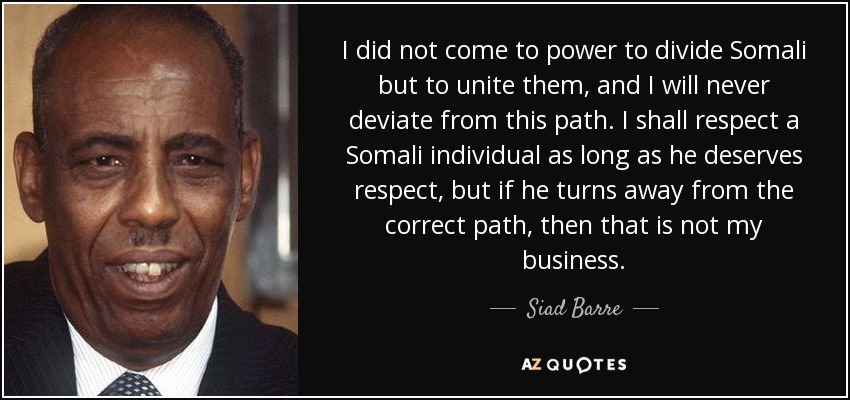
Image for Somalia under Siad Barre noted as exception for low corruption in Africa